What Is a Retreaded Tire?
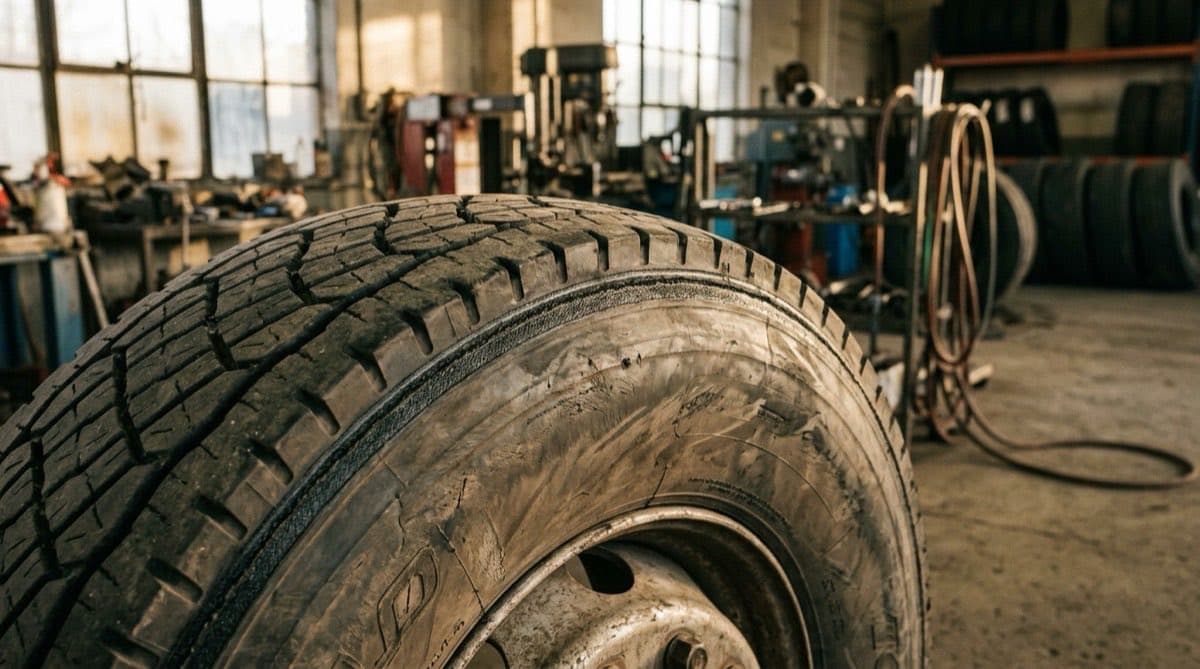
A retreaded (or "recap") tire is made by taking a worn tire carcass that still has a sound structure and bonding new tread rubber onto it. The process involves:
- Inspecting the carcass for structural integrity via shearography (an imaging process that detects internal separations)
- Buffing the old tread surface down to the base rubber
- Applying new rubber tread compound
- Curing in a vulcanization mold under heat and pressure
- Final inspection and balance check
A quality retread from a certified facility is structurally different from a simple re-grooved tire. The carcass — the steel belts, body plies, and bead — is reused. The tread rubber is entirely new.
The Safety Record: Commercial vs. Passenger Use
Retreads have an excellent safety record in commercial applications:
- The US Federal Aviation Administration (FAA) approves retreaded tires for commercial aircraft landings
- The US military uses retreads extensively on government vehicles
- Over 50% of commercial truck tires sold in the US are retreads
- NHTSA studies have found no statistical difference in blowout rates between new and retreaded commercial tires when properly maintained
However, these results apply to commercial-grade retreads — processed by certified retreaders following Tire Retread and Repair Information Bureau (TRIB) standards. The story for low-quality passenger car retreads is different.
The Gator Problem: Why Highway Debris Exists
The rubber "alligators" seen on highways are almost always commercial truck tire retreads — not passenger car tires. They fail primarily because:
- Under-inflation causes heat buildup that separates the retread bond
- Over-loading stresses the carcass beyond design limits
- Age of the original carcass — a retread applied to an old carcass fails faster
- Low-quality retread operations that skip proper carcass inspection
Retreads for Passenger Vehicles: The Honest Assessment
✓ When retreads can be acceptable
✕ When to avoid retreads
How to Identify a Retreaded Tire
Federal law requires retreaded tires to be labeled. Look for:
- The word "RETREAD" or "RECAP" molded into the sidewall
- A new DOT number beginning with "R" (e.g.,
RDOT...) - A visible seam line around the circumference where old and new rubber meet — on lower quality retreads this line may be visible to the eye
- Tread pattern that doesn't match the sidewall brand — a sign of low-quality work
Retreads vs. Used Tires: Which Is Safer?
For passenger cars, a quality used tire from a name brand is generally a safer and better value choice than a retreaded tire:
| Factor | Used Tire | Retreaded Tire |
|---|---|---|
| Structural integrity | Original carcass, intact | Reused carcass — depends on inspection quality |
| Tread quality | Original manufacturer compound | New compound, but bond is a potential failure point |
| Age risk | Check DOT date directly | Depends on original carcass age (less transparent) |
| Price | $30–$80 | $20–$50 |
| Best for | All applications | Low-speed, non-critical use |
The Bottom Line
Retreaded tires are safe in the right context — commercial fleets, controlled speed environments, and certified manufacturing. For most passenger car drivers, a quality used tire from a reputable shop is a better choice: more predictable performance, transparent age history, and no bond-layer failure risk. If you do consider a retread, demand certification paperwork, know the original carcass age, and limit use to city speeds.